
Turner County Three-Day Release Check
No official Turner County 72-hour release-only feed was found. The Sheriff's Interop system instead separates Current Inmates, a tab labeled 24 Hours Arrests, and an Inmates by Arrest Date archive. The archive is the useful starting point because it accepts a date range and can mark a booking RELEASED.
A three-day check is reconstructed from those records. It is not a report generated by the sheriff under a 72-hour heading. Search the dates connected to the booking, inspect the status, and compare the record with the current roster. This method can catch a person whose release occurred over a weekend even when the arrest occurred before the three-day period.
Check Turner County 72-Hour Releases
Begin with what is known about the arrest. The archive sorts around arrest dates, not release dates. If the person was booked a week ago and released yesterday, a date range limited to the past three days could miss the record. Widen the arrest-date range whenever the booking date is uncertain.
- Check Current Inmates to see whether the person remains booked.
- Open Inmates by Arrest Date and enter the known arrest-date range.
- Match the name with physical descriptors, warrant, charge, and court.
- Read the status and note whether it says RELEASED.
- Check the court field for the likely disposition-record custodian.
- Call Turner County Jail at 229-567-3812 to confirm when and how release occurred.
Use the 24-Hour Releases page when the question is limited to today. The three-day method is better for catching events spread across several calendar days, but neither page should be read as an official feed that Turner County does not offer.
Turner County Archive Fields
The archive supports identity matching and status review. It also points toward the right court or record request. It does not expose a dedicated 72-hour window or a complete booking-release event. The following fields reflect what the public Turner County roster can show.
| Field | How it helps |
|---|---|
| Name and listed traits | Sex, height, weight, and address field help separate similar names. |
| Status | RELEASED indicates that roster booking is no longer current. |
| Arrest date | Controls the archive search; it is not the release date. |
| Days in jail | Shows the system's displayed custody duration, not an exact exit time. |
| Bond | May show an amount, denied, or not set, but does not prove payment or release. |
| Charge and warrant | Counts, statute, description, offense level, and warrant identify the event. |
| Court | Routes follow-up to Superior, State, municipal, or another listed court. |
The jail's full record may contain a release date and time, reason, arresting agency, bond details, transfer destination, hold status, and public property notation. Request the omitted fields directly. A RELEASED label alone cannot tell whether the person bonded out, finished a sentence, left by court order, cleared a hold, or transferred.
Turner County Weekend Release Timing
A 72-hour span helps when events cross midnight or a weekend. Yet the roster does not promise an update interval. A court or bond action may occur before staff finish checks, close the booking, return property, and record the status. The public page may therefore trail the operational event.
Calendar math can also mislead. The archive range follows arrest date, while the search intent follows release date. Look back far enough to include the original booking, then ask the jail for the actual release timestamp. This is more reliable than repeatedly checking only the 24 Hours Arrests tab, which reports new arrests rather than releases.
Obtain Turner County Release Records
Call the jail first for a prompt custody-status check. For a documented answer, send a focused request to Turner County Sheriff's Office, 1301 Industrial Drive, Ashburn, GA 31714. The Sheriff's Office number is 229-567-2401, and its fax is 229-567-2670. Ask for the booking and release record, not a nonexistent 72-hour list.
Include the full name, date of birth if known, arrest date, charge, warrant number, and court. Identify the requested facts, such as release date and time, release reason, bond status, hold or detainer status, and transfer destination. Under Georgia's open-records rules, responsive records are generally produced within three business days. If they cannot be produced then, the agency generally must give written timing, cost, and the basis for withheld material.
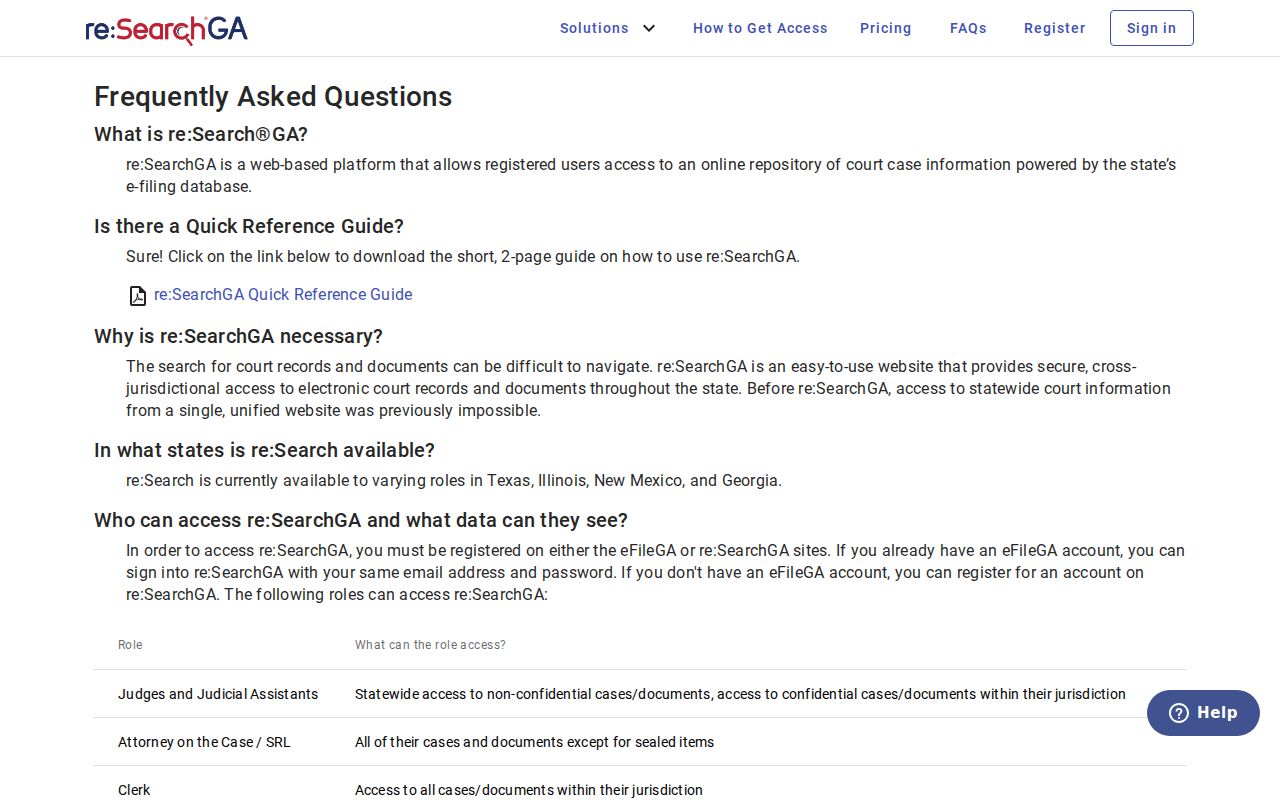
Court records can explain the legal event behind release. The Turner Clerk of Superior Court handles felony criminal records, warrants, bond forfeitures, arraignment notices, and calendars. Turner State Court handles misdemeanors and some traffic matters. The captured re:SearchGA court-record FAQ illustrates the statewide electronic court path, while the local clerk remains the custodian for official or certified copies.
Why Turner County Uses Arrest Dates
Turner's data design explains why a three-day release query has no single answer. Current Inmates shows active custody. The 24-hour tab covers arrests. The archive organizes records by arrest date and can preserve released statuses. It is therefore possible to verify a recent release online, but only by finding the older booking and reading its current label.
The archive displayed multiple result pages and released records during research. The site does not state how long entries remain available. Describe it as a date-range arrest archive that can include released statuses, not a permanent release archive. When an entry disappears or cannot be matched, direct jail and court records are the durable fallback.
Turner County Release Across Systems
Leaving Turner County Jail does not always mean leaving all custody. A transfer to GDC belongs in the Georgia Department of Corrections offender search. Release on parole belongs in State Board of Pardons and Paroles records. A person leaving Turner RSAT Center is a state correctional treatment release, not a Turner County Jail release, and should be checked through GDC, the supervising office, and the sentencing court.
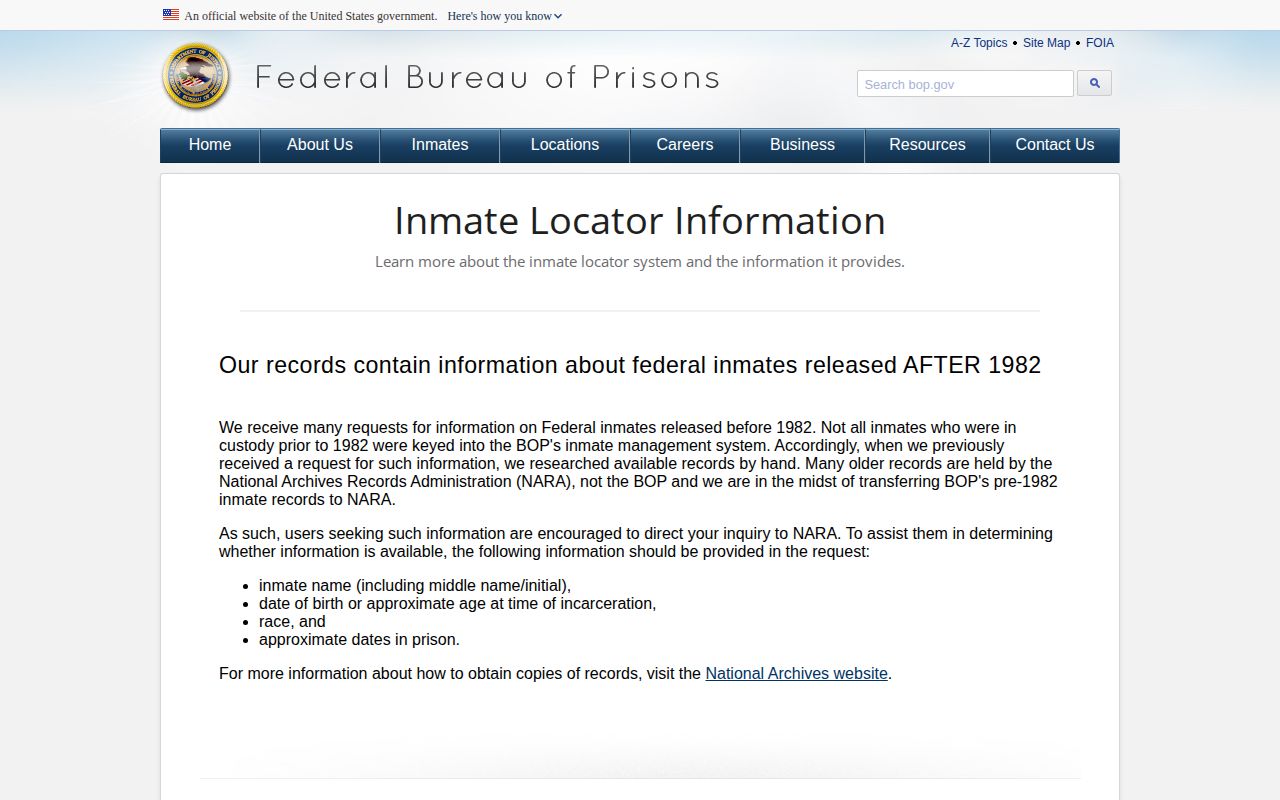
Federal cases use different records. The Bureau of Prisons release-date explanation says a past date with no facility means the person left BOP custody on that date, though another custody system or supervision may still apply. The BOP locator covers records from 1982 forward. Pretrial federal custody is better traced through federal court and U.S. Marshals channels.
VINELink can be tried for Georgia custody-change alerts, but it is not a certified history and its Turner County coverage should be verified in the live service. An ICE locator absence is also not proof of release; it may reflect transfer, removal, delay, or a search mismatch. Match the lookup to the agency that held the person.
Confirm a Turner County Three-Day Match
Record the exact name, arrest date, warrant, charge, court, status, and the time the page was checked. Then call the jail for the missing release facts. If the court field names a local court, compare the jail status with the docket or disposition. These steps separate a true match from a same-name record and a local release from an agency transfer.
The best evidence depends on the question. The roster can show that a booking is marked released. Jail records can state when and why. Court records can explain the order or disposition. GDC, parole, federal, and immigration systems establish what happened after local custody ended. A three-day search is useful, but the official source should close the loop.
When several status changes fall within the same weekend, keep each booking event separate. A new arrest, a local release, and a later transfer can all produce records in different systems. Matching the arrest date and warrant to the court file prevents one event from being mistaken for another and gives the jail a precise record to locate.
Also ask whether the response concerns the whole 72-hour span or only the moment of the call. A present-custody answer can establish that the person is not booked now, but it may not state when the booking closed. Request the release event record when the date and time are the point of the inquiry. If the person moved to another agency, request the receiving agency or transfer destination when that field is public.
Keep the local and state timelines distinct. Turner County Jail records the end of its own custody. GDC records a state admission, location, release, or discharge. A court file records the order that may connect those events. Reading all three dates as if they came from one rolling release list can create a false sequence, especially when processing crosses a weekend.